Get Flowerbed Edging Installation
Local contractors can install flowerbed edging to define garden borders, prevent soil erosion, and enhance yard organization for various landscaping projects.
Flowerbed edging installation can be a practical addition to many outdoor spaces, helping to define garden areas and create a polished look. Property owners in the area often explore this work to improve curb appeal, organize planting zones, and add structure to their landscapes. Whether planning a new garden layout or refreshing existing features, exploring local service providers can help identify options that suit specific needs and preferences.
By comparing local contractors who specialize in flowerbed edging, property owners can find solutions tailored to their outdoor projects. This process allows for a better understanding of available styles, materials, and installation approaches, ensuring the chosen work complements the overall landscape design. Continuing to explore these options can lead to a well-defined, attractive garden space that enhances the property's overall appearance.
- Flowerbed Edging Installation - when a property owner wants to define garden boundaries for a polished look.
- Garden Bed Edging - to prevent soil and mulch from spilling into lawn areas.
- Landscape Edging - for creating clean, distinct separations between flowerbeds and walkways.
- Decorative Edging - when adding aesthetic appeal to outdoor garden spaces.
- Edging for Landscaping Projects - to enhance curb appeal and organize plant areas effectively.
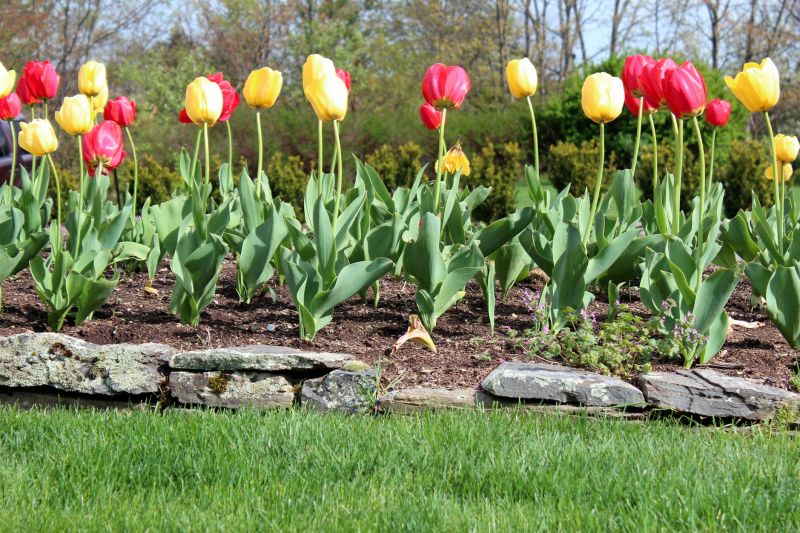
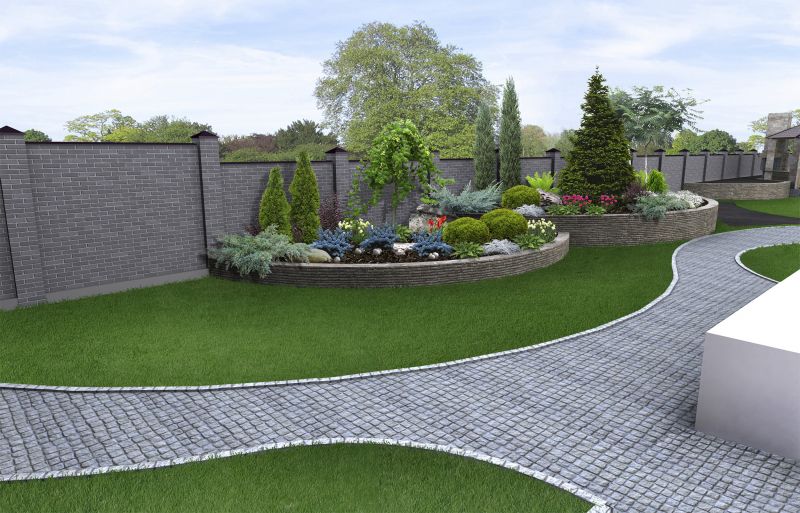
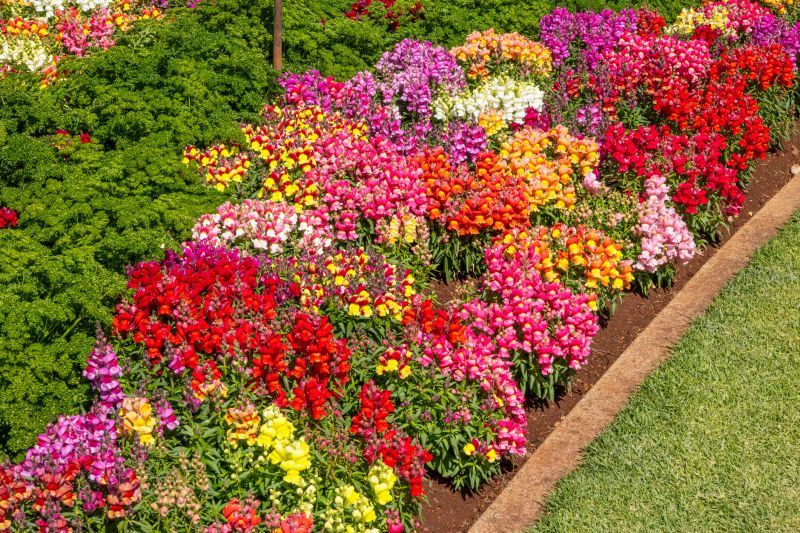
Flowerbed edging installation involves placing a defined border around garden beds to create a clean, organized appearance and prevent grass or weeds from encroaching. This service typically includes selecting the appropriate edging material-such as metal, plastic, stone, or brick-and installing it securely along the perimeter of flowerbeds. The process may also involve preparing the ground, digging a trench, and ensuring the edging is level and stable to provide a long-lasting boundary that enhances the overall look of the landscape.
Many homeowners turn to flowerbed edging installation to address common landscaping problems. Over time, uncontained garden beds can become overgrown or messy, making the yard appear unkempt. Edging helps contain mulch, soil, and plants within designated areas, reducing the spread of weeds and preventing grass from invading flowerbeds. Additionally, a well-defined border can make garden beds easier to maintain and mow around, saving time and effort while improving curb appeal.
This service is often used on residential properties of various sizes, from small front yards to large backyard gardens. It’s especially popular among homeowners who want to create a neat, professional look for their landscaping or who are planning to add new garden beds. Flowerbed edging can complement different styles, whether traditional, modern, or rustic, and can be tailored to suit the specific aesthetic preferences of the property owner.
Homeowners who notice that their garden beds are becoming unruly, or who want to prevent grass and weeds from spreading, may find flowerbed edging installation to be a practical solution. It’s also a helpful upgrade for those seeking to improve the overall organization and appearance of their outdoor spaces. Local contractors specializing in landscape edging can provide the expertise needed to select the right materials and install a durable, attractive border that enhances the property's landscape design.
The overview below groups typical Flowerbed Edging Installation projects into broad ranges so you can see how smaller, mid-sized, and larger jobs often compare in your area.
In many markets, a large share of routine jobs stays in the lower and middle ranges, while only a smaller percentage of projects moves into the highest bands when the work is more complex or site conditions are harder than average.
Smaller Projects - Typical costs for minor flowerbed edging installations range from $250 to $600. Many routine jobs fall within this middle range, depending on the size and materials used. Fewer projects tend to push into the higher tiers above $600.
Mid-Size Installations - Larger, more detailed flowerbed edging projects usually cost between $600 and $1,500. These projects often involve more extensive work or premium materials, which can raise costs. Many local contractors handle jobs in this range comfortably.
Full Replacement - Replacing existing edging with new materials can cost $1,500 to $3,000 or more, especially for sizable or complex designs. Such projects are less common but are often chosen for significant landscape updates or upgrades.
Complex or Custom Edging - Custom designs, intricate borders, or high-end materials can push costs beyond $3,000, with larger, more complex projects reaching $5,000 or higher. These tend to be specialized jobs handled by experienced local pros for premium results.
Actual totals will depend on details like access to the work area, the scope of the project, and the materials selected, so use these as general starting points rather than exact figures.
Garden Pathway Installation - local contractors skilled in landscape edging can also create defined pathways that complement flowerbed borders and enhance outdoor aesthetics.
Retaining Wall Construction - expertise in precise planning and the use of similar tools makes these professionals capable of building functional and attractive retaining structures.
Landscape Grading and Leveling - professionals experienced in soil preparation and leveling work can ensure proper foundation for flowerbeds and other landscape features.
Stone and Paver Patio Installation - the skills used in installing edging are applicable to laying stone and paver surfaces that integrate seamlessly with garden borders.
Soil Preparation and Mulch Installation - local service providers can prepare garden beds and install mulch, requiring similar planning and material handling as edging projects.
Fence and Border Installation - contractors familiar with landscape boundaries can also install decorative or functional fencing that complements flowerbed edging.
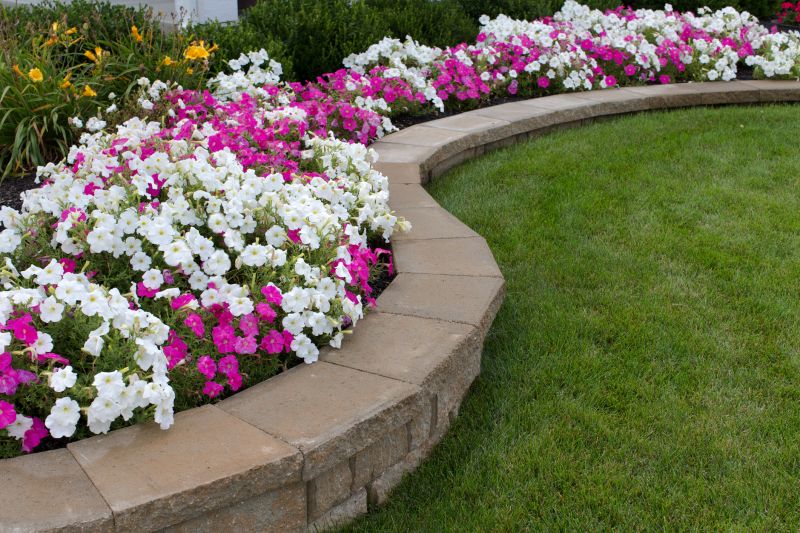
When comparing service providers for flowerbed edging installation, it’s important to consider their experience with similar projects. Homeowners should inquire about how long a contractor has been working with landscape edging and whether they have completed projects comparable in size and style. A contractor’s familiarity with different edging materials and techniques can influence the quality and durability of the finished work. By choosing a local contractor with a proven track record in garden bed enhancements, homeowners can gain confidence that the project will be handled with the appropriate expertise.
Clear, written expectations are essential to ensure that both parties are aligned on the scope of work. Homeowners should seek detailed descriptions of what the installation will entail, including materials used, the extent of the edging, and any preparatory or finishing steps. Having these details documented helps prevent misunderstandings and provides a reference point if questions arise later. It’s also beneficial to confirm that the service provider can provide reputable references or examples of past work, giving insight into their craftsmanship and professionalism.
Effective communication is a key factor in selecting a reliable local contractor. Homeowners should observe how promptly and clearly a provider responds to inquiries and whether they are willing to answer questions about their process. Good communication fosters transparency and helps ensure that expectations are managed appropriately throughout the project. Remember, these local service providers are here to handle the work, while the site serves as a resource to introduce homeowners to qualified options in the area, making it easier to find the right fit for flowerbed edging installation.
Property owners use Flowerbed Edging Installation services for practical projects around their homes and businesses. This guide focuses on everyday jobs and straightforward project options.
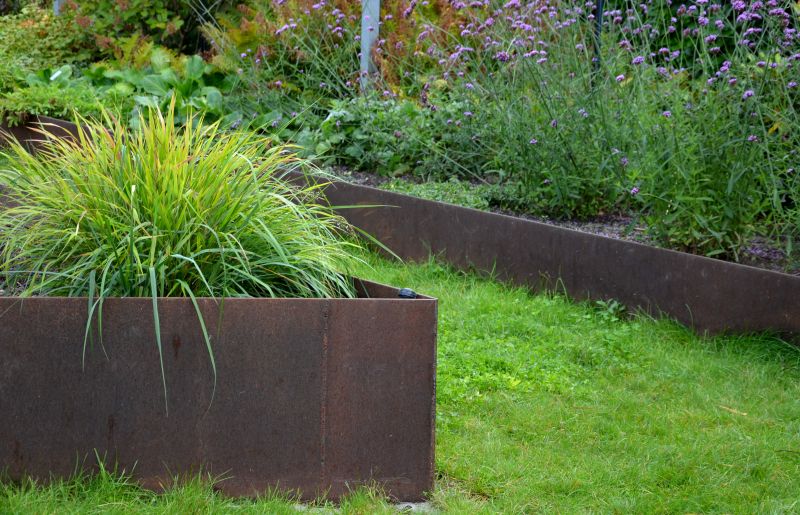
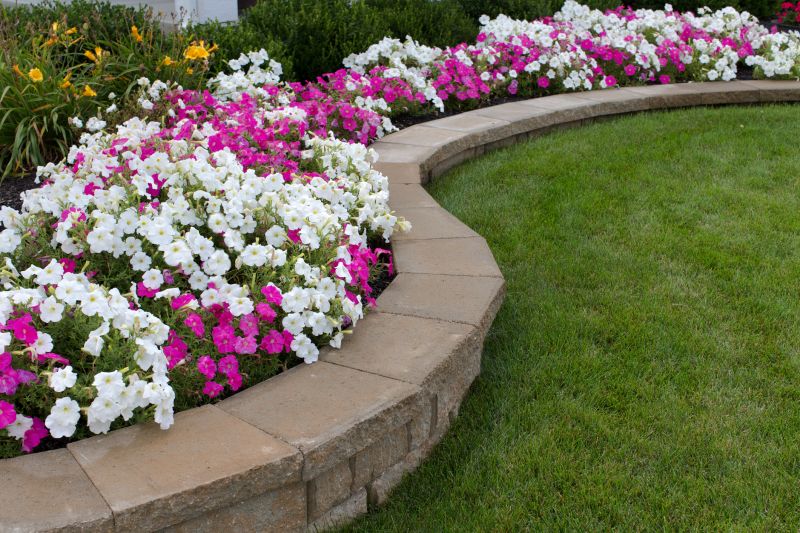
Flowerbed edging installation is a common home improvement project for property owners looking to define garden spaces and enhance curb appeal. Homeowners might seek these services to prevent soil and mulch from spilling into lawns, making garden beds easier to maintain, or simply to create a polished, organized look around flowerbeds and plantings. Local contractors can provide the expertise needed to install clean, durable edges that complement the overall landscape design and withstand weather conditions over time.
Many property owners turn to local service providers for flowerbed edging when updating or revitalizing their outdoor spaces. Whether replacing old, worn edging or installing new borders to improve aesthetics and functionality, these professionals can handle various styles and materials. Engaging with experienced local contractors ensures the work is performed efficiently and effectively, helping homeowners achieve a tidy and attractive garden area that enhances the overall appearance of their property.
What are the benefits of installing flowerbed edging? Installing flowerbed edging helps define garden boundaries, prevents grass and weeds from encroaching, and enhances the overall appearance of the landscape.
What types of edging materials are available for flowerbeds? Common materials include brick, stone, plastic, metal, and wood, each offering different aesthetic and durability options.
Can local contractors customize flowerbed edging to match my garden style? Yes, many service providers can tailor edging designs and materials to complement various garden themes and personal preferences.
Is flowerbed edging installation suitable for all garden sizes? Edging can be installed in gardens of any size, from small flowerbeds to large landscape projects, by experienced local contractors.
How does professional installation improve the durability of flowerbed edging? Professional installers ensure proper placement and secure installation, which helps the edging withstand weather and soil movement over time.
Define garden boundaries - Installing flowerbed edging helps clearly mark garden areas, making maintenance easier and defining outdoor spaces.
Prevent soil erosion - Proper edging keeps soil and mulch contained, reducing erosion during heavy rain or watering.
Enhance curb appeal - Well-installed flowerbed edging creates a neat, attractive look that boosts the overall appearance of a property.
Create separate planting zones - Edging allows property owners to organize different plants and flowers within designated areas for easier care.
If you are thinking about Flowerbed Edging Installation for a property, this guide is meant to help you understand the work, the typical project types, and how different options might fit your plans.
When you are ready, you can use the quote form on this page to share a few details about your project. From there, local pros can review the basics and respond with options that match what you have in mind.